
Crossroads Ford of Kernersville

Blog

All Kernersville Ford Dealer

Best Cargo Vans for Small Businesses: Maximize Your Potential

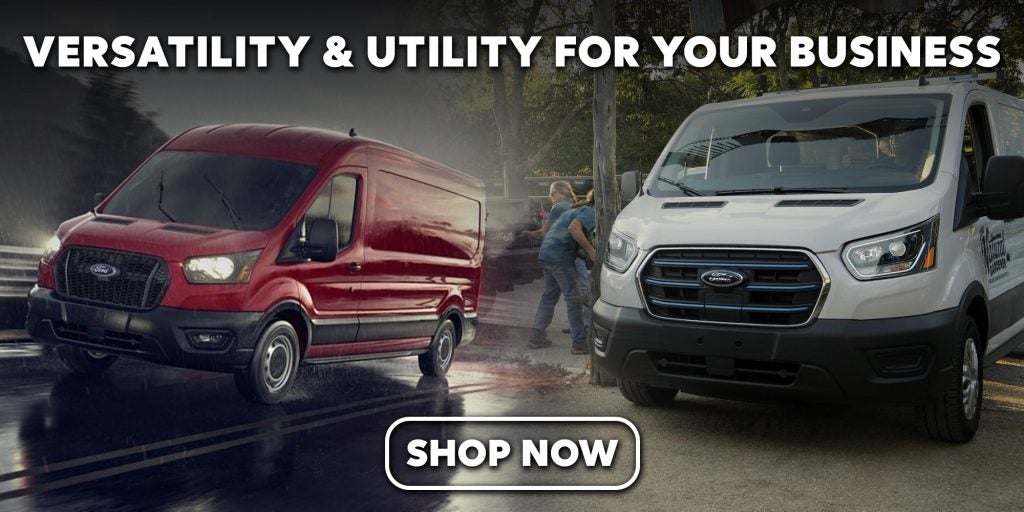
Fleet Vehicles For Business Success When your business relies on transporting goods, equipment, or fulfilling on-site needs, selecting the right vehicle becomes a crucial decision that can affect your day-to-day operations. It’s not just about finding something that gets the job done, it has to be reliable, spacious, fuel-efficient, and tailored to meet the specific needs of your business. That’s where Ford excels, offering some of the best cargo vans on the market today. At Crossroads Ford of Kernersville, we’ve put together a detailed guide to help you choose the best cargo van to boost your small business. Whether you’re looking for size, dependability, or value, we’ll walk you through the top options available based on key features like cargo capacity, commercial specs, and overall performance. Once you’ve narrowed down your choices, come visit us at our dealership in Kernersville, NC, and take a test drive to see which is the best cargo van for your small business needs! Why Your Business Needs a Cargo Van Cargo vans come in different sizes and configurations to cater to the needs of various industries. When choosing the best cargo van for your small business, it’s important to assess factors like dependability, cargo capacity, ease of access, and fuel efficiency. Cargo vans generally fall into two categories: small and full-sized. Here’s what each type offers. Small Cargo Vans: These are ideal for businesses that need to make frequent stops in urban areas or handle lighter loads. They’re easy to drive, fuel-efficient, and perfect for navigating crowded city streets. Full-Size Cargo Vans: These vans are better suited for businesses with heavier transport requirements or larger loads. They provide generous cargo space, making them ideal for companies that need to move bulkier equipment or materials. Understanding which type suits your needs will help you make a more informed decision and optimize your budget when selecting the best cargo vans for small businesses. Best Cargo Vans for Deliveries: Meet Your Deadlines For businesses focused on deliveries and daily transportation, you’ll need a cargo van that’s capable of maneuvering through urban areas, carrying substantial loads, and maintaining good fuel efficiency. Here are the best cargo vans for small business delivery needs. Ford Transit: For those who need to carry heavier loads, the Ford Transit is a top contender. With up to 536.4 cu.ft. of cargo space, three different roof height options, and a payload capacity of up to 5,110 lbs., it’s built for high-demand delivery services Ford E-Transit: If reducing your carbon footprint is a priority, the all-electric Ford E-Transit is a great choice. With the same 536.4 cu.ft. of cargo space, it boasts an impressive range of up to 159 miles on a single charge, allowing for worry-free deliveries without the need for frequent recharging. No matter what you’re delivering, the Ford Transit and Ford E-Transit are proven contenders that ensure your drive and deliveries go smoothly. Best Work Vans for Contractors: Tough & Reliable For businesses that require durable, heavy-duty vehicles, Ford’s cargo vans are some of the best options for contractors. The Ford Transit and Ford E-Transit provide the power and reliability needed to transport tools and materials to and from job sites. Ford Transit: With engine options like the 3.5L V6 and the more powerful 3.5L EcoBoost® V6, delivering 310 horsepower and 400 lb.-ft. of torque, the Ford Transit is ready to take the prize as the best work van for construction. Ford E-Transit: For eco-conscious contractors, the Ford E-Transit combines sustainability with performance, offering 266 horsepower and 317 lb.-ft. of torque from its 89kWh High-Voltage Battery. It can carry up to 3,249 lbs. of payload, so you won’t have to compromise on power to go green. Having either the Ford Transit or Ford E-Transit won’t disappoint when it comes to the demands that your job requires. These are the best cargo vans for small businesses on the rugged side of the workforce, and they’re here to streamline your experience. Enhance Your Business Operations Choosing the best cargo van for your small business can make a world of difference in how efficiently you run your daily operations. Whether you’re after the impressive strength and reliability of the Ford Transit, perfect for tackling heavy loads and tough jobs, or the sustainable, eco-friendly benefits of the all-electric Ford E-Transit, both options are built to meet the specific demands of your business. At Crossroads Ford of Kernersville, we understand that every business is unique, which is why we offer a range of cargo vans to help you work smarter, not harder. Stop by our Ford dealership in Kernersville, NC, where our team will help you find the best cargo van to elevate your small business performance! SHOP NOW

Best Trucks For Landscaping: Built For The Outdoors

Ford Landscaping Trucks: Does Your Business Need One? In the landscaping or lawn care business, the right truck can be a game-changer. From providing essential services to ensuring everything you need is on hand, having a reliable and versatile truck is key to your success. At Crossroads Ford of Kernersville, we understand that landscaping professionals require vehicles that are tough, dependable, and adaptable to handle all types of outdoor work. Whether you need to haul heavy equipment or tackle rough terrain, having the best truck for landscaping is vital for getting the job done efficiently. Whether you're after a standard landscaping truck or a specialized option like a dump truck, Ford offers a diverse selection to meet your needs. Visit our Ford dealership in Kernersville, NC, and let us help you find the best truck for your landscaping business today! Benefits of Using a Truck for Your Landscaping Business The best truck for landscaping can significantly improve your business by enhancing productivity and streamlining operations. With the right truck, you can easily transport crew members, equipment, and materials to job sites, saving valuable time on logistics and maximizing your time on actual work. The best trucks for landscaping come equipped with features that help you stay organized, from ample storage to customizable bed options, ensuring tools and materials are secure during transit. This organization leads to faster job completion and higher quality service, giving you a competitive advantage. Plus, a landscaping truck can double as a mobile advertisement for your business—brand your truck with your logo and contact information to turn it into a billboard that promotes your services wherever you go. Whether you’re growing your fleet or just starting out, investing in the best truck for landscaping is a smart choice that enhances both your operations and marketing efforts. What to Look for in Landscaping & Lawn Care Trucks When selecting the right truck for your landscaping or lawn care business, it’s important to focus on key features that align with your specific needs. For those considering used trucks, choosing one with low mileage can offer reliability at a lower cost. Here’s what to keep in mind: Towing and Hauling Capacity: Landscaping often involves transporting heavy materials like soil, mulch, and large equipment. Choose a truck with strong towing and payload capabilities to handle these loads efficiently and safely. Durability and Reliability: Your truck needs to endure constant use in tough environments. Look for models known for their durability and low maintenance costs to keep your business running smoothly. Versatility: Whether you need a flatbed, utility bed, or dump bed conversion, having a truck that adapts to various tasks will increase its functionality and utility for your business. Fuel Efficiency: With constant driving between job sites, a fuel-efficient truck can help reduce operational costs and save you money over time. Storage and Organization: Efficient storage is crucial for keeping tools and equipment safe and organized. Look for trucks with built-in compartments, racks, and customizable bed options. Accessories like tie-downs can help secure materials and reduce the risk of damage during transport. By focusing on these key factors, you can select the best truck for your landscaping or lawn care business, ensuring it meets your operational demands while helping you save on costs and increase efficiency. Choosing the Best Ford Truck for Your Lawn Care Business Let’s take a look at the powerful lineup of the best Ford trucks for landscaping. Ford Maverick: If you want a versatile and reliable light-duty truck that’s ideal for smaller landscaping or lawn care businesses, the Ford Maverick is for you. Although it’s a compact truck, it boasts incredible capabilities from power to towing. When you need to haul equipment and tools like small trailers, lawnmowers, and weed whackers, the Ford Maverick doesn’t disappoint with towing up to 4,000 lbs. and a payload capacity of up to 1,500 lbs., making it one of the best lawn care trucks. Ford Ranger: Looking at the Ford Ranger, you’ll be impressed at getting more power and capacity out of it. The engine is a standard 2.3L EcoBoost® engine, which delivers 270 horsepower and 310 lb.-ft. of torque for helping you power through your drive. When properly equipped, you’ll be able to tow up to 7,500 lbs., while also having 43.5 cu.ft. of maximum cargo box volume for storing the necessities. Ford F-150: America’s Favorite Truck was bound to make the list of some of the best trucks for landscaping. This versatile, light-duty full-size pickup truck was made to do everything you set out to do. With numerous engine options to choose from, the Ford F-150 will exceed your expectations as one of the best Ford landscaping trucks. This is due to its maximum towing capacity of up to 13,500 lbs. And a maximum payload capacity of up to 2,440 lbs. Ford Medium Duty Trucks: Explore the capabilities of the Ford F-650 or the F-750. These medium-duty trucks were designed for some of the most demanding jobs, including landscaping. With the capabilities present in the Live-Drive Power Take-Off Provision with Mobile Mode, Ford Medium Duty trucks can power the equipment needed for landscaping, optimizing productivity. Additionally, since these trucks have a chassis cab configuration and a GVWR of up to 37,000 lbs., you can load what you need. This also makes the Ford Medium Dutys the best dump trucks for landscaping. Ford Super Duty Trucks: For all of your heavy-duty needs, selecting a Ford F-250, Ford F-350, Ford F-450, or a Ford F-550 are among the best trucks for landscaping. Thanks to their powerful selection of engines with up to 1,200 lb.-ft. of torque, you’ll also be able to utilize a maximum towing capabilities of up to 40,000 lbs. Ford Super Duty models don’t compromise on power, and when you need the best trucks for landscaping, you have numerous options available. Select Your Truck Choosing the right truck for your landscaping business is crucial for its success. Whether you need a reliable workhorse for daily tasks, a versatile truck for hauling equipment, or a durable dump truck for heavy-duty jobs, Crossroads Ford of Kernersville has the best trucks for landscaping. We’re here to help you find the one that meets your specific needs, budget, and workload. Visit our dealership to check out our wide range of trucks tailored for landscaping professionals today! SHOP NOW

What Ford Vehicles Qualify For Section 179?

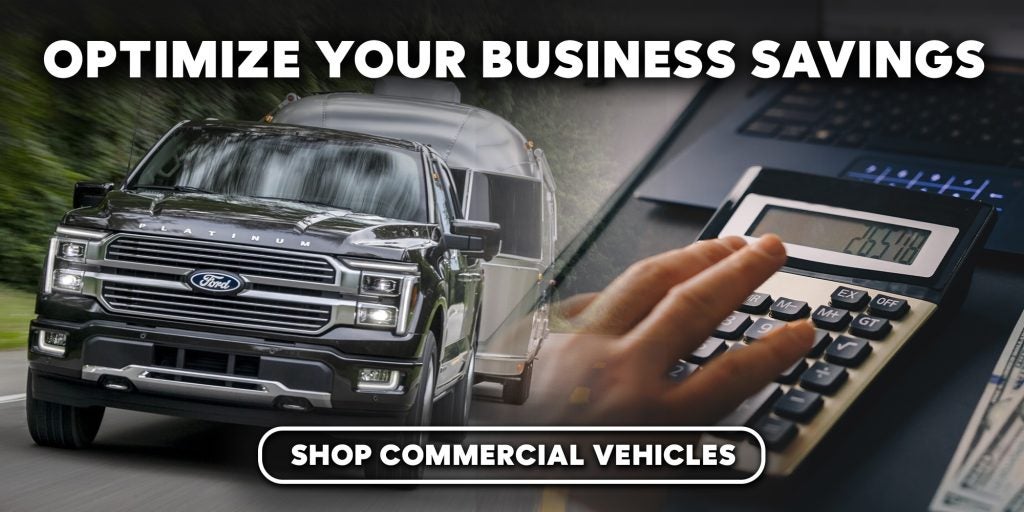
Maximize Savings With Ford Section 179: A Guide For Business Owners When you’re in charge of getting everything together for your fleet of commercial vehicles, you’ll want to streamline the process of managing them. Thanks to the tax benefits provided by Ford Section 179, you can optimize savings and other benefits such as allowing your business to deduct a significant portion, or even the entire cost, of qualifying equipment purchases, including Ford vehicles. By reducing your taxable income, you can maximize cash flow and reinvest in your business growth. To ensure your Ford vehicle qualifies for Section 179, it must meet specific criteria, such as being used for business purposes at least 50% of the time. Get in touch with the helpful staff at Crossroads Ford of Kernersville to get started on Section 179 savings today! Qualifying Ford Vehicles & Eligibility The Section 179 tax deduction allows business owners to write off up to 100% of qualifying equipment purchases, including when they buy qualifying Ford vehicles, on their current IRS tax return. Let’s take a look at the Ford Section 179 in depth. This’ll include the available models and specifications needed for your business to qualify. To qualify for Section 179, the vehicle must be used for business at least 50% of the time and meet specific requirements, such as a gross vehicle weight rating of over 6,000 lbs. Ford trucks, vans, and SUVs that meet these requirements qualify for Section 179. Eligible vehicles include any of the trucks in the Ford F-Series, like the Ford F-150, Ford Super Duty, and Ford F-150 Lightning, any of the Ford Transit Vans, the Ford Expedition, and the Ford Explorer. Furthermore, the qualifying vehicles must be purchased and placed into service before December 31st of the tax year. Vehicles used for personal purposes do not qualify for Ford Section 179, and the deduction is only available for business use. The tax benefits enable businesses to deduct the full purchase price of qualifying equipment, reducing their gross taxable income. It’s essential to consult a tax advisor to ensure you understand the current IRS tax code and how Section 179 applies to your business. The deduction can be claimed on the business’s tax return, and it’s essential to keep accurate records of the purchase and business use of the vehicle. What Qualifies as a Commercial Vehicle? To secure a Ford Section 179 deduction for your business, the vehicles you choose must meet your business goals. For a Ford F-150 to qualify for Section 179, you'll often see businesses using them to carry out various work operations like towing, carrying tools, and advertising the business. For a Ford F-250 and Ford F-350 to qualify for Section 179, these trucks carry out more heavy-duty tasks in regards to towing more load, having a Chassis Cab configuration for specialized tasks, and hauling heavy-duty equipment. Moving onto the Ford Transit vans, these are efficient commercial vehicles designed to carry all of your tools, as well as serving your towing needs. Do Ford Expeditions and Ford Explorers qualify for Section 179 savings? Absolutely. While they may not symbolize conventional blue-collared jobs with rugged features designed to carry out the toughest tasks, these SUVs possess their own capabilities for any business. From ridesharing to towing and storage capacities, there's no shortage of the utility a Ford Expedition and Ford Explorer are capable of. The same goes for the all-electric Ford F-150 Lightning. Its rugged nature and utility on the worksite include towing, providing electricity and outlets when needed, and even serving as backup power in case of outages. Benefits & Limitations The Ford Section 179 tax deduction allows business owners to write off up to $1,220,000 of qualifying vehicle purchases in the first year. After the initial deduction, qualifying Ford trucks, vans, and SUVs can receive a certain percentage of depreciation on the remaining balance, further enhancing the financial benefits. The deduction can be used to reduce taxable income, resulting in significant tax savings. However, there are limitations to the deduction, such as the purchase limit of $3,050,000. You can also take advantage of up to 60% in bonus depreciation for both new and pre-owned commercial vehicles. Start Claiming Today Claiming the Section 179 deduction can take just a few seconds, and it can result in significant tax savings for your business. Secure verifying processes ensure that your interactions with our dealership are safe and protected. Remember that in order to claim the Section 179 deduction, business owners must purchase and place the qualifying vehicle into service before December 31st of the tax year. Ensuring a positive website experience is crucial when navigating our online resources. You should consult with a tax advisor to help ensure that the deduction is claimed correctly and that all necessary documentation is in place. Now that you’re better equipped with an understanding of Ford Section 179, get in touch with our staff at Crossroads Ford of Kernersville to help you along the way! SHOP COMMERCIAL VEHICLES

Ford Expedition Cost of Ownership

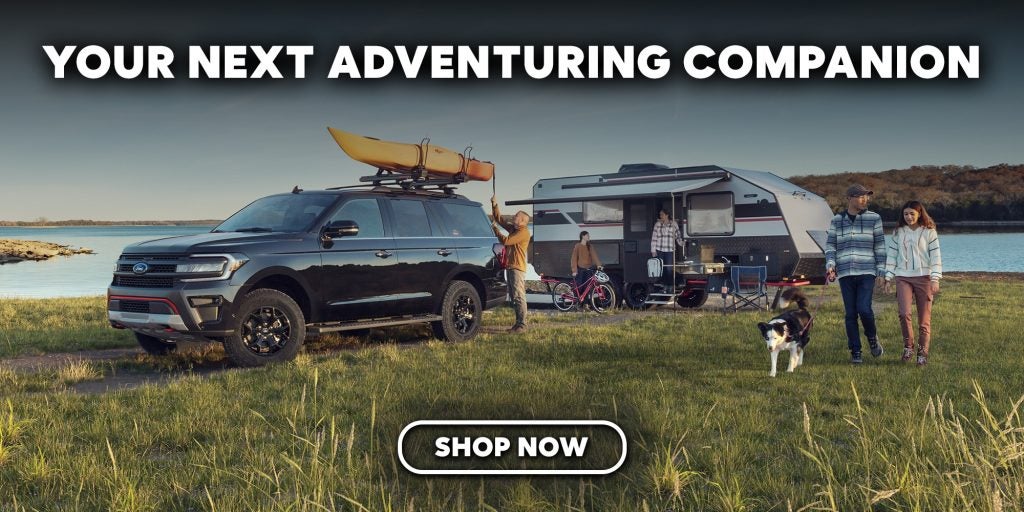
The Pricing & Ownership Expenses Of A Ford Expedition The Ford Expedition is a full-size SUV that offers a spacious and comfortable riding experience equipped with numerous features that are perfect for the whole family. Before purchasing a new Ford Expedition, it’s important to understand the total cost of ownership. This includes the purchase price, insurance, depreciation, and maintenance costs. Crossroads Ford of Kernersville provides a comprehensive guide to help you make an informed decision. Let’s get started! Initial Purchase Price & Incentives The Ford Expedition has a starting price range of around $64,000-79,000. The final cost depends on the trim level, options, and model year. Dealerships often offer incentives and discounts to lower the purchase price. When negotiating, consider the invoice price, current market value, and available rebates. Additionally, the initial purchase price significantly informs the Ford Expedition's resale value over time, or how much value it retains after ownership for a number of years compared to when it was brand new. Numerous Features to Enjoy: The Specs Whether you choose a 210-in. long Ford Expedition or a 221.9-in. long Ford Expedition MAX, you can customize it to your liking. From performance and appearance upgrades such as the Stealth Edition and Texas Edition Packages to the available 3.5L EcoBoost® High-Output engine that generates up to 440 horsepower and 510 lb.-ft. of torque, your choices are numerous. For those seeking extra towing capabilities, when you equip the Ford Expedition with the Heavy-Duty Trailer Tow Package, you can tow up to 9,300 lbs. Stepping inside the spacious Ford Expedition interior, ample seating for up to eight passengers make it perfect for family adventures. Elevate your driving experience with premium materials available on select models, adorning the interior surfaces and seating. The Ford Expedition boasts a spacious cargo area, offering up to 104.6 cu.ft. of storage, and up to 121.5 cu.ft. on the Ford Expedition MAX. Stay connected and entertained with a 12-in. LCD touchscreen infotainment system featuring SYNC® 4 or available SYNC® 4A, offering seamless integration with Apple CarPlay® and Android Auto™. Drive with confidence thanks to standard driver-assistance features like Lane-Keeping System and Hill Descent Control™, included in the available Ford Co-Pilot360® suite. Choosing the Right Ford Expedition for Your Needs Selecting the perfect Ford Expedition for your needs involves several key considerations. Here are some tips to help you make an informed decision. Determine Your Budget: Start by considering your purchase price, monthly payment, and interest rates. Knowing these will give you insight into how much you can afford to spend on a Ford Expedition. Assess Your Needs: Think about how you plan to use your Ford Expedition. If it’s primarily for daily commuting, a base model might suffice. However, if you need a vehicle with more pep or style, upgrading to available features or higher models might be what you need. Research Different Model Years: Compare depreciation rates, maintenance costs, and if the Ford Expedition holds its value for different model years. This will help you find the best value for your money. Test-Drive Different Trims: Take various trim levels for a test drive to see which one best suits your needs and preferences. Consider Ford Blue Advantage Options: If you’re looking for a used Ford Expedition, consider Ford Blue Advantage certified pre-owned options. These vehicles have been thoroughly inspected across numerous categories by professionals, offering added peace of mind. By taking these factors into account, you can choose the right Ford Expedition that fits your needs and budget, ensuring you get the best value for your money. Five Years of Ownership: The Costs Involved The Ford Expedition’s estimated five-year cost is between $94,000 and $96,000. This includes depreciation, taxes, fees, financing, and insurance. Comparing the Ford Expedition's costs with other cars over five years, as well as with other SUVs and full-size SUVs, can provide a broader market context. Using an online calculator and comparing costs with similar vehicles can help you make a more informed decision. The Cost of Insurance & Maintenance Insurance for a Ford Expedition costs around $5,000-14,000 over five years. This varies based on trim level, options, and driving history. Shop around for the best rates and consider bundling policies. If you'd like to stick to branded coverage, Ford offers Ford Insure for all your needs. In five years of ownership, maintenance costs for the Ford Expedition can range from $3,000-5,000, but repair costs can fluctuate depending on the vehicle's age, mileage, and specific issues. If you consider extended warranties, they'll help protect you from unexpected repairs. Additionally, researching the reliability and durability of the Ford Expedition can help you anticipate potential long-term costs. Extra Protection: Warranty & Extended Warranty Ford offers a 3-year/36,000-mile basic warranty and a 5-year/60,000-mile powertrain warranty. This coverage can reduce the overall cost of ownership. If you're concerned about future maintenance costs, consider Ford Protect, an extended warranty program with packages that are tailored specifically to your needs with plans that cover theft, dents, tires, vehicle components, and so much more. Own Your Ford Expedition Today The Ford Expedition is the preferred option for those wanting a blend of comfort, style, and performance. When you're looking to buy one of these spacious full-size SUVs, consider maintenance costs, insurance expenses, and overall value to ensure you're making the best choice for you. By researching these, as well as the Ford Expedition's features, trim levels, and depreciation rate, you're guaranteed to find your perfect match. That being said, the overall cost of owning this ride over five years is around $94,000-96,000. If you’re prepared for the cost of owning a Ford Expedition, visit Crossroads Ford of Kernersville for a test drive today! SHOP FORD EXPEDITION

Ford Ranger Cost of Ownership

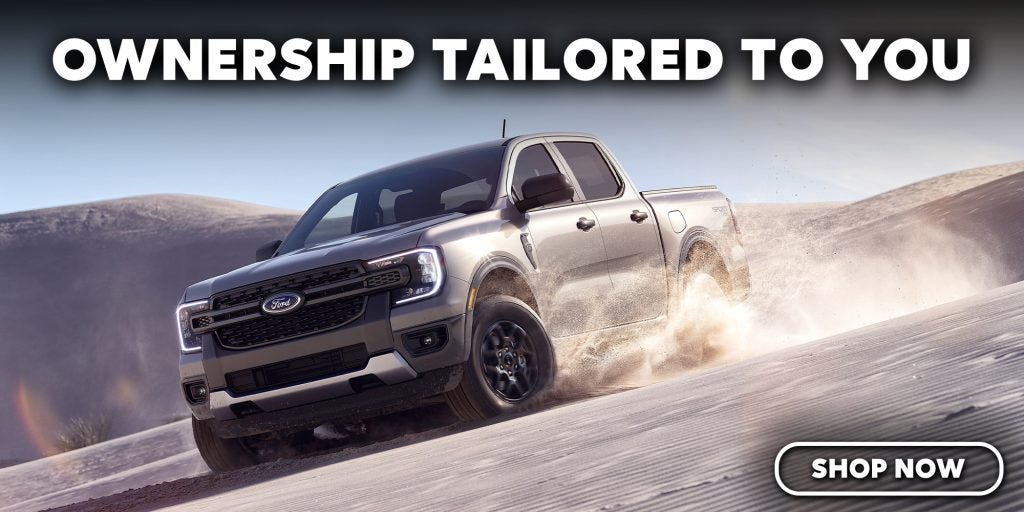
Ford Ranger Cost: A Comprehensive Guide to Ownership Thinking about making the Ford Ranger your daily driver that’s also your rugged work companion? Before you make your choice, it's essential to understand the true cost of ownership. While this midsize truck from Ford’s exceptional lineup of Built Ford Tough® models is renowned for its versatility, power, and features, the total financial commitment extends beyond the initial purchase price. At Crossroads Ford of Kernersville, we’ll review the intricacies of Ford Ranger ownership costs, from financing options to ongoing maintenance costs, in order to provide you with the information you need to make an informed decision. Visit us in Kernersville, NC, to get started! Initial Purchase Price & Incentives The Ford Ranger has a starting price range of around $44,000-57,000. The final cost depends on the trim level, options, and model year. Dealerships often offer incentives and discounts to lower the purchase price. When negotiating, consider the invoice price, current market value, and available rebates. Additionally, the initial purchase price can significantly impact the Ford Ranger's resale value over time, affecting how much it retains after ownership for a number of years. Numerous Features to Enjoy: The Specs The Ford Ranger is a versatile truck that blends rugged capability with modern comfort. Its bold exterior features LED lighting, muscular styling, and customizable appearance packages. Under the hood, the standard 2.3L EcoBoost® engine delivers impressive power and towing capacity when paired with the available Trailer Tow Package to achieve a maximum tow of up to 7,500 lbs. You can upgrade your performance to the next level with the optional 2.7L EcoBoost® V6 engine as well. The Ford Ranger's off-road prowess is further enhanced by the available FX4™ Off-Road Package, which includes features like Trail Control™ and an electronic-locking rear differential. When you step inside, the Ford Ranger offers a comfortable and tech-savvy interior designed to accommodate up to five passengers. Safety takes center stage with Ford Co-Pilot360® as standard, featuring a suite of advanced driver-assistance systems, including Adaptive Cruise Control, Blind Spot Information System with Trailer Coverage, Pre-Collision Assist, and Lane-Keeping System. The 8-in. digital instrument cluster keeps you informed about vital driving data, while the 10-in. center stack display powered by SYNC® 4A technology provides seamless connectivity. Stay connected on the go with Apple CarPlay®, Android Auto™, and FordPass® Connect. A convenient wireless charging pad ensures your devices stay powered, and the premium B&O® Sound System with ten speakers delivers an immersive audio experience. The available features, in addition to the standard package, show that the cost of a Ford Ranger can fluctuate depending on the options you choose to equip your ride with. It all comes down to what you want. Choosing the Right Ford Ranger for Your Needs Selecting the perfect Ford Ranger for your needs involves several key considerations. Here are some tips to help you make an informed decision while also being mindful of your budget. Determine Your Budget: Start by considering the purchase price and interest rates. Knowing these will give you insight into how much you’ll spend towards the Ford Ranger’s monthly payments. Assess Your Needs: Think about how you plan to use your Ford Ranger. If it’s primarily for daily commuting and some light work, a base model might suffice. However, if you need a vehicle with more power or technology to assist you, upgrading to available features or higher models might be what you need. Research Different Model Years: Compare depreciation rates, maintenance costs, and Ford Ranger resale values for different model years. This will help you find the best value for your money. Test-Drive Different Trims: Take various trim levels for a test drive to see which one best suits your needs and preferences. Consider Ford Blue Advantage Options: If you’re looking for a used Ford Ranger, consider Ford Blue Advantage certified pre-owned options. These vehicles have been thoroughly inspected across numerous categories by professionals, offering added peace of mind. Five Years of Ownership: The Costs Involved The Ford Ranger’s estimated five-year cost is between $51,000 and $58,000. This includes the Ford Ranger’s depreciation, taxes, fees, financing, and insurance. Comparing its costs with other trucks over five years can provide a broader market context, especially if you’re wondering if the Ford Ranger will hold its value. The Cost of Insurance & Maintenance Insurance for a Ford Ranger costs around $5,000-16,000 for five years. This varies based on trim level, options, and driving history. Shop around for the best rates and consider bundling policies. If you'd like to stick to branded coverage, Ford offers Ford Insure for all your needs. In five years of ownership, maintenance costs for the Ford Ranger can range from $3,000-5,000, but repair costs can fluctuate depending on the vehicle's age, mileage, and specific issues. If you consider extended warranties, they'll help protect you from unexpected repairs. Additionally, researching the reliability and durability of the Ford Ranger can help you anticipate potential long-term costs. Extra Protection: Warranty & Extended Warranty Ford offers a 3-year/36,000-mile basic warranty and a 5-year/60,000-mile powertrain warranty. This coverage can reduce the overall cost of ownership. If you're concerned about future maintenance costs, consider Ford Protect, an extended warranty program with packages that are tailored specifically to your needs with plans that cover theft, dents, tires, vehicle components, and so much more. Own Your Ford Ranger Today The Ford Ranger is the preferred option for those wanting a blend of comfort, technology, and performance. When you're looking to buy one of these efficient midsize trucks, consider maintenance costs, insurance expenses, and overall value to ensure you're making the best choice for you. By researching these, as well as the Ford Ranger's features, trim levels, and depreciation rate, you're guaranteed to find your perfect match. That being said, the overall cost of owning this ride after five years is around $51,000-58,000. If you’re prepared for the cost of owning a Ford Ranger, visit Crossroads Ford of Kernersville for a test drive today! SHOP FORD RANGER z

Ford Escape Cost of Ownership

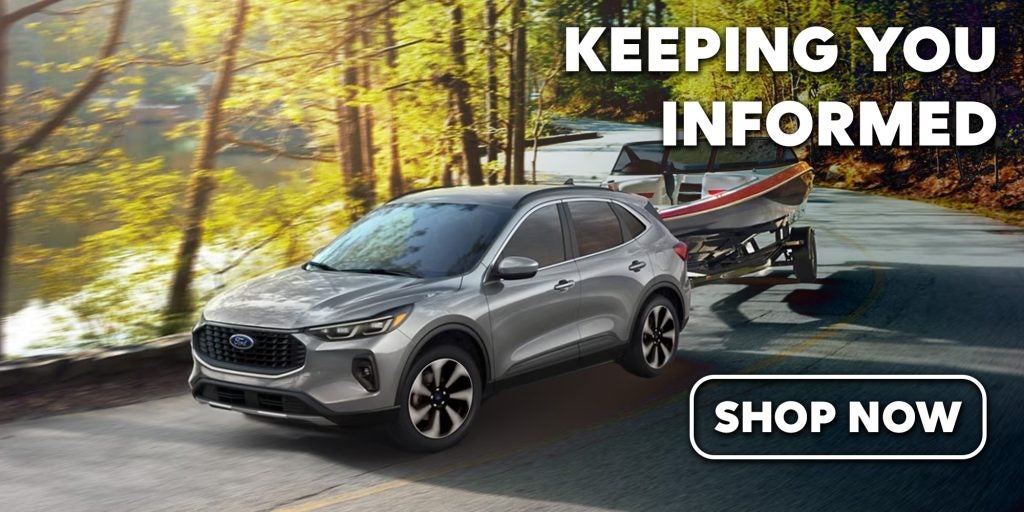
Ford Escape Cost: The Pricing & Ownership Expenses If you want a compact SUV that offers a smooth and technologically advanced riding experience, then the Ford Escape is the one for you. Before purchasing a new Ford Escape, it’s important to understand the total cost of ownership. This includes the purchase price, insurance, depreciation, and maintenance costs. Crossroads Ford of Kernersville provides a comprehensive guide to help you make an informed decision. Let’s get started! Initial Purchase Price & Incentives The Ford Escape has a starting price range of around  $30,000-41,000. The final cost depends on the trim level, options, and model year. Dealerships often offer incentives and discounts to lower the purchase price. When negotiating, consider the invoice price, current market value, and available rebates. Additionally, the initial purchase price can significantly impact the Ford Escape's resale value over time, affecting how much it retains after ownership for a number of years. Numerous Features to Enjoy: The Specs When you first encounter the Ford Escape, you’re met with an eye-catching style that’ll complement the standard features, including 17-in. Shadow Silver-Painted Aluminum Wheels, a Power Liftgate, and a captivating silhouette. Optional features include a panoramic Vista Roof® and a striking LED Light Bar. Under the hood, the standard 1.5L EcoBoost® engine delivers a smooth and responsive ride with 180 horsepower and 199 lb.-ft. of torque. Paired with AWD, an impressive fuel efficiency lets you achieve up to an EPA-estimated 26 MPG in the city and 32 MPG on the highway. For even greater fuel economy, the available 2.5L I-4 hybrid engine boasts up to 42 MPG in the city and 36 MPG on the highway. You can also tow up to 3,500 lbs. for all your rugged needs with the available 2.0L EcoBoost® AWD engine and Class II Trailer Tow Package. Keep in mind that these enhancements will increase the cost of a Ford Escape. The spacious cabin comfortably accommodates up to five passengers, making it perfect for daily commutes, weekend getaways, or family adventures. When you need extra cargo space, simply fold down the second-row seats to reveal a maximum cargo capacity of 65.4 cu.ft. Stay connected and entertained with the SYNC® 4 infotainment system, displayed on an 8-in. LCD touchscreen and compatible with Apple CarPlay® and Android Auto™. Ford Co-Pilot360® comes standard, offering a suite of driver-assistance features, including Blind Spot Information System (BLIS®), Pre-Collision Assist with Automatic Emergency Braking, and more. Choosing the Right Ford Escape for Your Needs Selecting the perfect Ford Escape for your needs involves several key considerations. Here are some tips to help you make an informed decision. Determine Your Budget: Start by considering your purchase price, monthly payment, and interest rates. Knowing these will give you insight into how much you can afford to spend on a Ford Escape. Assess Your Needs: Think about how you plan to use your Ford Escape. If it’s primarily for daily commuting, a base model might suffice. However, if you need a vehicle with more pep or style, upgrading to available features or higher models might be what you need. Research Different Model Years: Compare depreciation rates, maintenance costs, and resale values for different model years. This will help you find the best value for your money. Test-Drive Different Trims: Take various trim levels for a test drive to see which one best suits your needs and preferences. Consider Ford Blue Advantage Options: If you’re looking for a used Ford Escape, consider Ford Blue Advantage certified pre-owned options. These vehicles have been thoroughly inspected across numerous categories by professionals, offering added peace of mind. By taking these into consideration, you can choose the right Ford Escape that fits your needs and budget, ensuring you get the best value for your money. Five Years of Ownership: The Costs Involved The Ford Escape’s estimated five-year cost is between $43,000-57,000. This includes depreciation, fuel, taxes, fees, financing, and insurance. Comparing the Ford Escape's costs with other cars over five years, as well as with other SUVs in its class, can provide a broader market context. Using an online calculator and comparing costs with similar vehicles can help you make a more informed decision. The Cost of Insurance & Maintenance Insurance for a Ford Escape costs around $4,000-14,000 for five years. This varies based on trim level, options, and driving history. Shop around for the best rates and consider bundling policies. If you'd like to stick to branded coverage, Ford offers Ford Insure for all your needs. In five years of ownership, maintenance costs for the Ford Escape can range from $3,000 to $5,000, but repair costs can fluctuate depending on the vehicle's age, mileage, and specific issues. If you consider extended warranties, they'll help protect you from unexpected repairs. Additionally, researching the reliability and durability of the Ford Escape can help you anticipate potential long-term costs. Extra Protection: Warranty & Extended Warranty Ford offers a 3-year/36,000-mile basic warranty and a 5-year/60,000-mile powertrain warranty. This coverage can reduce the overall cost of ownership. If you're concerned about future maintenance costs, consider Ford Protect, an extended warranty program with packages that are tailored specifically to your needs with plans that cover theft, dents, tires, vehicle components, and so much more. Own Your Ford Escape Today The Ford Escape is the preferred option for those wanting a blend of comfort, style, and performance. When you're looking to buy one of these efficient compact SUVs, consider maintenance costs, insurance expenses, and overall value to ensure you're making the best choice for you. By researching these, as well as the Ford Escape's features, trim levels, and depreciation rate, you're guaranteed to find your perfect match. That being said, the overall cost of owning this ride after five years is around $43,000-57,000. If you’re prepared for the cost of owning a Ford Escape, visit Crossroads Ford of Kernersville for a test drive today! SHOP FORD ESCAPE

Ford Bronco Cost of Ownership

Ford Bronco Cost: A Comprehensive Guide to Ownership Thinking about incorporating a rugged Ford Bronco into your lifestyle? Before you’re able to take your ride on off-road adventures, it's essential to understand the true cost of ownership. While the Ford Bronco is renowned for its versatility, ruggedness, and advanced features, the total financial commitment extends beyond the initial purchase price. At Crossroads Ford of Kernersville, we’ll review the intricacies of Ford Bronco ownership costs, from financing options to ongoing maintenance costs, in order to provide you with the information you need to make an informed decision. Visit us in Kernersville, NC, to get started! Sticker Price: The First Indicator The initial purchase price of a Ford Bronco varies based on the chosen trim and options. You can expect the starting MSRP to be approximately $41,000-91,000. This price range makes the cost of a Ford Bronco competitive within the SUV segment, particularly given its off-road capabilities and stylish design. You should consider additional costs such as taxes, registration, and destination fees, which can add to this initial purchase price. Once you decide that the cost of the Ford Bronco is for you, making monthly payments is your next step to ownership. This value depends on several variables, including the Ford Bronco’s cost, down payment, loan term, and interest rate. If you’d like to find out more about the financing rate for a Ford Bronco, get in touch with the dealers in Kernersville, NC, for a customizable plan that works with your budget Many financial institutions and dealerships offer financing rates tailored for the Ford Bronco. Incentives such as low APR financing or cash rebates can also affect the total cost of ownership. It’s important to compare these offers from multiple lenders to ensure you receive the best possible interest rate on your Ford Bronco. The Cost of Personalization: The Second Indicator You’re eager to take home your Ford Bronco after having negotiated a price and monthly payment that suits your budget. However, that was only the first step. You’ll then move onto any features you want to add to your ride, like color, style packages, technology features, accessories, and more. The cost of the Ford Bronco changes if you decide on available features like the 2.7L EcoBoost® engine that roars with 330 horsepower and 415 lb.-ft. of torque, or Tube Doors and Yakima® camping accessories for outdoor adventures. Another customization includes equipping your Ford Bronco with the Class II Trailer Tow Package, which lets you tow up to 4,500 lbs., making it perfect for campers, boats, and more. With the Mid or Lux Interior Packages, your Ford Bronco interior will have conveniences like a heated steering wheel, heated front-row seats, and a wireless charging pad, to name a few. Any of these add-ons will affect the total Ford Bronco cost of ownership. Insurance & Maintenance Costs: The Third Indicator Coverage for your Ford Bronco will add to the cost, but it’s crucial to have in case anything happens. You’ll want to be prepared by opting for insurance and budgeting for any maintenance done on your ride. Insurance costs for the Ford Bronco can vary widely based on several factors, including the driver’s age, location, driving history, and the specific trim level. On average, you can expect to pay between $4,000-5,000 over the course of five years for insurance coverage. Factors like the Ford Bronco’s safety ratings and theft rates also play a role in determining insurance costs. Given its rugged design and off-road capabilities, some insurers may view this SUV as a higher risk, potentially leading to elevated costs on your Ford Bronco. Every vehicle must undergo maintenance at some point, and having it done routinely helps ensure it’ll run for a long time. After five years of owning a Ford Bronco, the maintenance cost is estimated to be between $3,000 and $5,000. This includes oil changes, tire rotations, and inspections. Additionally, you should budget for potential repairs, especially if you decide to take your Ford Bronco off-road frequently, leading to increased wear and tear. Do Ford Broncos Hold Their Value? One crucial aspect of vehicle ownership is depreciation — the reduction in value over time. Several factors influence whether vehicles maintain their value, and the cost of a Ford Bronco holds strong with a slower depreciation rate. Market trends indicate that unique vehicles — especially those with strong heritage — tend to be more resilient against depreciation. Typically, new vehicles depreciate most significantly within the first few years, but if you keep your vehicle in good condition and limit modifications, you’ll likely see better resale returns. This value depends on factors such as location, trim level, and the condition of your ride. It’s estimated that after five years, the Ford Bronco cost of ownership ranges from $52,000 to $60,000, taking into account depreciation, fuel costs, and more. By thoroughly analyzing the Ford Bronco depreciation trends and resale values, you can make an informed decision when considering this rugged SUV to maximize your return on investment. Ride Ruggedly In summary, the Ford Bronco represents a blend of style, performance, and economic feasibility. The initial cost is balanced by the Ford Bronco’s strong resale value and relatively low depreciation rate. And with insurance and maintenance costs being reasonable compared to other vehicles in its class, this makes it an appealing option for many consumers. You can expect the five-year cost of ownership for a Ford Bronco to be around $52,000-60,000. If you’re ready to start your adventure, visit Crossroads Ford of Kernersville to test-drive your next SUV today! SHOP FORD BRONCO

Ford F-150 Cost of Ownership

Ford F-150 Cost: A Comprehensive Guide to Ownership Thinking about adding a Ford F-150 to your fleet? Before you make your choice, it's essential to understand the true cost of ownership. While the Ford F-150 is renowned for its versatility, power, and features, the total financial commitment extends beyond the initial purchase price. At Crossroads Ford of Kernersville, we’ll review the intricacies of Ford F-150 ownership cost, from financing options to ongoing maintenance costs in order to provide you with the information you need to make an informed decision. Visit us in Kernersville, NC, to get started! The Starting Price & Payment Options The 2024 Ford F-150's initial price ranges from around $38,000 to $77,000, depending on trim level, engine, and features. While this starting price may be higher than what you would find in conventional cars, the Ford F-150's slower depreciation and extreme performance features increase long-term value. By researching current market values and getting professional appraisals for your trade-in, you can negotiate the best possible deal on your next truck. Financing options are influenced by your creditworthiness, loan duration, and down payment. Monthly payments for the Ford F-150 can fluctuate significantly depending on the financing terms you select. For those considering leasing, lower monthly payments make it an attractive option for many drivers. Remember that prevailing Ford F-150 interest rates can affect your overall financing costs. To secure the best possible deal, stay informed about current market trends and explore various financing options. How Much Can You Get Out of Your Ford F-150? Depreciation & Resale Value When calculating the total cost of ownership for a Ford F-150, depreciation and resale value are key factors to consider. Over five years, the estimated cost of ownership settles at around $58,000 to $69,000, depending on the trim level and how you’ve used it. Several factors can influence the depreciation of your truck, including trim level, engine, transmission, drivetrain, and overall condition. To minimize depreciation and maximize resale value, prioritize costs on the Ford F-150’s tune-ups, regular maintenance, and avoid excessive mileage when driving. The resale value of a Ford F-150 can vary based on location, trim level, and vehicle condition. By carefully comparing depreciation rates and resale values, you can make an informed decision when purchasing this truck, ensuring you get the most value for your investment. Ford F-150 Insurance & Maintenance Costs Over a five-year period, insurance costs for a 2024 Ford F-150 are estimated to be between $5,000 to $16,000. Insurance premiums depend on your location, coverage type, and your driving record. To ensure you're getting the best possible rates, compare quotes from multiple insurers. Ford Insure is also a reliable option. Maintenance costs for the Ford F-150 are estimated to be between $5,000 and $6,000 over the course of five years. Taking care of your ride not only helps prolong the life of your vehicle, but it can also lead to long-term cost savings. Customizing Your Truck The Ford F-150 offers a diverse selection of customization options to cater to your individual needs and preferences. From exterior upgrades like wheels, tires, and trim kits to interior enhancements such as seats, dash trim, and infotainment systems, you can personalize your truck to your preferences. Advanced technology and safety features like SYNC 4®, smartphone integration, Pro Trailer Backup Assist™, and the Blind Spot Information System can significantly elevate your driving experience and provide added convenience. These features add to the overall value of your truck. Ford offers a variety of packages and options, like the FX4 Off-Road Package® and the Tow/Haul Package, to help you tailor your Ford F-150 to your specific needs. Additionally, aftermarket accessories and modifications can further enhance the vehicle's performance, appearance, and functionality. When customizing your rugged companion, consider factors like warranty, maintenance, and insurance costs to ensure you're making informed decisions. It’s because customizations can add significant value to your ride, with a potential impact on resale value and overall cost. A Capable Performer The Ford F-150 is celebrated for its exceptional performance and versatility, making it an ideal choice for both work and leisure. With a variety of engine options, including the powerful 3.5L hybrid engine and the robust 5.0L V8, this truck delivers impressive towing and hauling capabilities to meet your demands. Advanced technology features like Pro Trailer Hitch Assist™ simplify towing and hauling. When driving on the road and different terrains, the Ford F-150's four-wheel drive system, available Hill Descent Control™, and Terrain Management System™ provide exceptional off-road performance. The payload capacity and maximum towing capacity of the Ford F-150 vary depending on trim level, engine, and drivetrain. To ensure optimal performance and capabilities, consult the specifications for your specific vehicle and adhere to a regular maintenance schedule. Total Cost to Purchase Your Ford F-150 The total cost of ownership for a Ford F-150 over five years is approximately $58,000 to $69,000, encompassing financing, insurance, depreciation, and maintenance costs. While traditional cars often depreciate by around 20% in the first year, the Ford F-150 exhibits significantly slower depreciation, demonstrating its superior value retention. Understanding the vehicle's long-term value can assist you in making an informed purchase decision, making the Ford F-150 a wise choice if you aim to minimize your overall cost of ownership. By understanding these, you can make a smart decision and get the best value for your money. If you’re ready to put what you know into practice, visit Crossroads Ford of Kernersville to find your perfect truck today! SHOP FORD F-150

Ford Explorer Cost of Ownership

Ford Explorer Cost: The Pricing & Ownership Expenses The 2024 Ford Explorer is a midsize SUV that offers versatility and performance. Before purchasing a new Ford Explorer, it’s important to understand the total cost of ownership. This includes the purchase price, insurance, depreciation, and maintenance costs. Crossroads Ford of Kernersville provides a comprehensive guide to help you make an informed decision. Initial Purchase Price & Incentives The Ford Explorer has a starting price range of around $48,000 to $51,000. The final cost depends on the trim level, options, and model year. Dealerships often offer incentives and discounts to lower the purchase price. When negotiating, consider the invoice price, current market value, and available rebates. Additionally, the initial purchase price can significantly impact the Ford Explorer's resale value over time, affecting how much it retains after ownership for a number of years. Numerous Features to Enjoy: The Specs The Ford Explorer offers a 13.2-in. touchscreen infotainment system, a redesigned dashboard, and a standard third-row seat. The infotainment system allows users to stream videos from YouTube while the vehicle is parked. Engine options range from a 2.3L turbocharged 4-cylinder to a 3.0L twin-turbo V6. The 2.3L engine delivers 300 horsepower and 310 lb.-ft. of torque, while the 3.0L engine delivers 400 horsepower and 415 lb.-ft. of torque. Both engines are paired with a 10-speed automatic transmission and are available in rear-wheel drive or all-wheel drive configurations. The 2025 Ford Explorer's fuel economy lets you cover more distance at an EPA-estimated 21 MPG in the city and 28 MPG on the highway. However, keep in mind that the specific fuel economy of your next ride will depend on more factors including driving conditions and your driving style. The cost of fuel is another crucial expense to consider. The Ford Explorer can achieve a maximum towing capacity of up to 5,000 lbs., letting you optimize your SUV’s versatility. This is perfect for towing small to medium-sized trailers. However, towing heavy loads can lead to increased wear and tear, affecting depreciation and maintenance costs. Ford Co-Pilot360® offers various safety features, including a Blind-Spot Monitoring system, Lane Departure Warning, and Forward Collision Warning, to assist you when you need it. Choosing the Right Ford Explorer for Your Needs Selecting the perfect Ford Explorer for your needs involves several key considerations. Here are some tips to help you make an informed decision. Determine Your Budget: Start by considering your purchase price, monthly payment, and interest rates. Knowing these will give you insight into how much you can afford to spend on a Ford Explorer. Assess Your Needs: Think about how you plan to use your Ford Explorer. If it’s primarily for daily commuting, a base model might suffice. However, if you need a vehicle for off-road adventures or towing, you might want to opt for a higher trim level. Research Different Model Years: Compare depreciation rates, maintenance costs, and resale values for different model years. This will help you find the best value for your money. Test-Drive Different Trims: Take various trim levels for a test drive to see which one best suits your needs and preferences. Consider Certified Pre-Owned Options: If you’re looking for a used Ford Explorer, consider certified pre-owned options. These vehicles have been thoroughly inspected across numerous categories by professionals, offering added peace of mind. By taking these factors into account, you can choose the right Ford Explorer that fits your needs and budget, ensuring you get the best value for your money. Five Years of Ownership: The Costs Involved The Ford Explorer’s estimated five-year cost is between $59,000 and $75,000. This includes depreciation, taxes, fees, financing, and insurance. Comparing the Ford Explorer's costs with other cars over five years, as well as with other SUVs and midsize SUVs, can provide a broader market context. Using an online calculator and comparing costs with similar vehicles can help you make a more informed decision. The Cost of Insurance & Maintenance Insurance for a Ford Explorer costs around $4,000 to $11,000 for five years. The cost varies based on trim level, options, and driving history. Shop around for the best rates and consider bundling policies. If you'd like to stick to branded coverage, Ford offers Ford Insure for all your needs. In five years of ownership, maintenance costs for the Ford Explorer can range from $3,000 to $4,000, but repair costs can fluctuate depending on the vehicle's age, mileage, and specific issues. If you consider extended warranties, they'll help protect you from unexpected repairs. Additionally, researching the reliability and durability of the Ford Explorer can help you anticipate potential long-term costs. Extra Protection: Warranty & Extended Warranty Ford offers a 3-year/36,000-mile basic warranty and a 5-year/60,000-mile powertrain warranty. This coverage can reduce the overall cost of ownership. If you're concerned about future maintenance costs, consider Ford Protect, an extended warranty program with packages that are tailored specifically to your needs with plans that cover theft, dents, tires, vehicle components, and so much more. Own Your Ford Explorer Today The Ford Explorer is a versatile midsize SUV with a range of features and options. When you're looking to buy one, consider maintenance costs, insurance expenses, and overall value to ensure you're making the best choice for you. By researching these, as well as the Ford Explorer's features, trim levels, and depreciation rate, you're guaranteed to find your perfect match. That being said, the overall cost of owning this SUV after five years is around $59,000 to $75,000. Now that you're more familiar with the cost of owning a Ford Explorer, visit Crossroads Ford of Kernersville for a test drive today! SHOP FORD EXPLORER

What Mileage Is Good For A Used Car?

Good Mileage For Used Cars When buying a used car, mileage is a crucial factor. Lower mileage generally indicates less wear and tear, but factors like age, make, model, and condition also matter. Service history, driving environment, and storage can also impact value. Understanding what constitutes good mileage for a used car can help you get the most value for your money. At Crossroads Ford of Kernersville, we'll delve into the details of used car mileage, the factors that influence a car's value, and how to assess a used car's condition beyond just the odometer reading. How Many Miles Is Too Much For A Used Car? The average American driver puts well over 10,000 miles on their car annually. Using this as a benchmark, you can estimate a used car's expected mileage based on its age.  This baseline helps you determine what is good mileage for a used car. A 10-year-old ride with only 70,000 miles would be considered low mileage on a used car and could actually be a good deal. Conversely, a five-year-old car with 140,000 miles would be seen as high mileage, raising concerns about its condition and longevity. How Mileage Impacts Pricing Good mileage for a used car is a crucial factor in determining its value. Generally, lower-mileage cars command higher prices due to less usage and a potentially longer lifespan. However, high-mileage cars can still be a good option, particularly if they've been well-maintained. While they may require more regular repairs and maintenance due to age, a lower purchase price can offset these costs, especially if the car is likely to continue running smoothly for years to come. When evaluating a used car, consider its overall condition, maintenance history, and price in addition to mileage. A high-mileage car with a clean maintenance record and a low asking price might be a better value than a lower-mileage car with a history of neglect and a higher price tag. Ultimately, good mileage for used cars is just one of the factors in making a decision. Other considerations depend on your budget, driving needs, and risk tolerance. Why Is High Mileage Bad? While high mileage can be a red flag for some, it doesn't always signal a bad car. Highway driving, with its steady speeds and fewer stops and starts, is generally less taxing on a vehicle than city driving. However, high-mileage cars require careful upkeep. A thorough inspection of the maintenance history is crucial, including consistent oil changes, timely repairs, and adherence to manufacturer recommendations. Consider your driving habits as well. If you commute long distances or frequently take road trips, a car with high mileage is not good mileage for a used model, as it might reach its typical lifespan sooner. Before making a purchase, always review the vehicle history report for any accidents, recalls, or other issues. A professional mechanic can also provide valuable insights into the car's condition and potential problems. By carefully evaluating these factors, you can make an informed decision about a high-mileage vehicle. Beyond Mileage: Factors Affecting Used Car Condition While good mileage for a used car is a valuable indicator of a car's potential lifespan, it's not the only factor to consider. The car's history, including driving conditions and ownership changes, can significantly impact its condition. City driving, with its frequent stops and starts, can be more demanding on a vehicle than highway driving. Cars with a single owner are often better maintained than those with multiple owners. A detailed maintenance history is a crucial indicator of a well-cared-for car, regardless of mileage. Regular oil changes, timely repairs, and other preventive maintenance demonstrate a commitment to keeping the vehicle in good condition. By considering these factors in addition to mileage, you can make a more informed decision when purchasing a used car. Mileage & Used Car Value The odometer reading is a key indicator of a used car's condition and potential future performance. Lower mileage generally suggests a better ride quality and fewer immediate repairs. However, maintenance history, driving environment, and brand reputation are also crucial factors to consider. Ford is a well-respected brand renowned for producing durable and reliable vehicles. Even with higher mileage, vehicles that have been consistently maintained can offer excellent value. When evaluating a used Ford beyond its good mileage for used cars, be sure to inspect the vehicle thoroughly, review its maintenance history, and consider your driving needs to determine if it's the right choice for you. Best Mileage for a Used Car: Finding Your Ford The ideal mileage for a used car depends on various factors. While cars with under 50,000 miles are generally preferred, well-maintained high-mileage vehicles from reputable brands can also be excellent options depending on your intended use. Factors like the car's make, model, maintenance history, and your personal driving needs should be considered when evaluating a used car. Good mileage for a used car is just one piece of the puzzle. Assessing the car's condition, maintenance history, and usage provides a clearer picture of its value and reliability. Whether you choose a used car with good mileage or a well-maintained high-mileage vehicle, informed decision-making ensures you get the best value for your investment. For a safe, reliable used car, explore our selection at Crossroads Ford of Kernersville today! SHOP NOW

Why It’s Important To Purchase A Used Car In Person Vs. Online

Buying Used Cars Online vs. At A Dealership: What’s The Difference? The automotive industry, like many others, has undergone a significant transformation with the rise of e-commerce. Buying a car online has become increasingly popular, offering convenience and the ability to compare a vast array of options. However, when it comes to a substantial purchase like a used Ford, the traditional dealership model still holds compelling advantages. Visiting Crossroads Ford of Kernersville is an experience you’ll want to pursue if you’re deciding to buy a used car online vs. at our dealership. Is It Good To Buy A Used Car Online? The digital age has undoubtedly revolutionized the car-buying process. Online platforms provide a seemingly endless inventory of used cars, allowing you to compare prices, features, and vehicle history reports with ease. While this convenience is undeniable, it is essential to recognize the limitations of online car shopping, especially when considering a used Ford. A physical inspection is crucial for assessing a vehicle's true condition. Online listings often present cars in their best light, potentially obscuring wear and tear, accident damage, or underlying mechanical issues. Moreover, buying a used car online vs. at a dealership creates an absence of a hands-on examination. You wouldn’t be able to evaluate factors such as interior wear, upholstery condition, and equipment functionality. Is Buying A Used Car Online A Good Idea? Buying a used car online vs. at a dealership simply isn’t the same. Beyond the physical inspection, the human element is a cornerstone of the car-buying experience. Our sales professionals possess in-depth knowledge of Ford vehicles, their history, and specific model features. This expertise is invaluable when making an informed decision. We can provide detailed information about a car's maintenance history, accident reports, and available options, helping you make confident choices. Furthermore, since you’re considering our used inventory, you’ll want to explore our certified pre-owned programs, extended warranties, and financing options tailored to your individual needs. These added benefits can significantly enhance the overall car-buying experience and provide peace of mind if you’re deciding between buying a used car online vs. at a dealership. Should You Buy A Car Online Without Seeing It? The allure of online deals can be tempting, but purchasing a used Ford without a physical inspection is a risky proposition. Online descriptions and photos can be misleading, and there is no guarantee that the vehicle will match your preferences. Test-driving a used Ford is an indispensable part of the car-buying process. It allows you to experience the car's handling, acceleration, braking, and overall performance firsthand. Test drives also provide an opportunity to assess the car's comfort level, seating position, visibility, and noise levels. By taking a car for a test drive, you can determine if the vehicle meets your driving style and preferences. Online car buying eliminates this crucial step, increasing the risk of buyer's remorse. Is It Safe To Buy A Car Online From A Dealership? While a face-to-face presence at a dealership is the ideal option, online shopping offers a degree of convenience that shouldn’t be overlooked. Our comprehensive website displays everything you want to know, from the vehicle you intend to purchase, its price, disclaimers, and any discounts or specials, to contact, financing, and the ability to schedule a test drive and more information you can make note of. We’ve established and upheld a reputation, and you can access all of that, as well as answer any questions you may have about buying a car online vs. at a dealership, without leaving the comfort of your home. However, our dealership sales professionals are trained to provide expert guidance throughout the car-buying process. We can answer questions about specific vehicle features, explain the benefits of different trim levels, and recommend options that best suit your needs. Moreover, we assist with financing, trade-ins, and other related services, streamlining the overall buying experience. Buying a used car online vs. at a dealership lacks this level of personalized attention and support. Ready To Find Your Next Used Car? While the convenience of buying a used car online vs. at a dealership is undeniable, the traditional face-to-face model offers significant advantages when purchasing any vehicle. Crossroads Ford of Kernersville grants you the ability to physically inspect a vehicle, interact with our knowledgeable sales professionals, and experience the car through a test drive. These are essential factors in making a confident and informed decision. While online research can be a valuable tool, it should be complemented by an in-person visit to a dealership to ensure a satisfying car-buying experience. Get started by visiting our Ford dealer in Kernersville, NC, today! SHOP NOW

Used Ford F-150 Buying Guide

What Is The Best Year To Buy A Used Ford F-150? The Ford F-150 has long reigned supreme as the undisputed king of the pickup truck world. Its blend of durability, power, and versatility has made it a favorite among both hardworking professionals and weekend adventurers. But with decades of production, not every Ford F-150 model year is created equal. So, if you're in the market to find out what the best year to buy a used Ford F-150 is, understanding which years to target and which to avoid is crucial. Crossroads Ford of Kernersville is here to help you discover the model year that’s right for you! The Best Ford F-150 Years To Buy Used: The 12th & 13th Generations The 12th Generation Wondering what the best year to buy a used Ford F-150 is? Look no further than the 12th generation, which marked a significant turning point for the iconic truck. Launched in 2009 and ending in 2014, it introduced a host of improvements that elevated it to new heights. 2009: This year's model featured a redesigned interior, a high-strength exterior body, enhanced safety features, and a robust powertrain lineup, making it a solid foundation for the years to follow. 2012: The introduction of the 3.5L EcoBoost® V6 engine in 2012 was a game changer, delivering impressive power and fuel economy without sacrificing performance. Coupled with the truck's already robust towing and payload capacities, this engine solidified its position as a top choice for both work and play. 2014: This model year concluded the 12th generation, which built upon the successes of its predecessors. Interior refinements, technology advancements, and continued engine improvements made the 2014 Ford F-150 among the best used for its reliability. While the 3.5L EcoBoost® V6 engine continued to be a popular choice among consumers, the available 5.0L V8 engine boasted an incredible display of power. The 13th Generation The 13th generation of Ford F-150 models was launched in 2015 and ended in 2020. It was a revolutionary leap forward, affirming the best years to buy a used Ford F-150. 2015: Ford boldly replaced the traditional steel body with an aluminum alloy frame, resulting in a lighter, more fuel-efficient truck without compromising strength. This generation also introduced a suite of advanced safety features, such as Adaptive Cruise Control and a 360-degree camera system. The 2015 Ford F-150 continued to adapt to the times, allowing for it to integrate as the reliable pickup truck anyone would want. 2018: While the entire 13th generation is commendable, the 2018 Ford F-150 deserves special mention in consideration for what the best year to buy a used Ford F-150 is. A mid-cycle refresh brought a refreshed exterior, upgraded technology, and the introduction of the powerful 3.0L Power Stroke turbo diesel engine. This engine option offered exceptional fuel economy, making the 2018 Ford F-150 an attractive choice for those who prioritize long-haul efficiency in addition to capability. Used Ford F-150 Years to Avoid: The 11th Generation The 11th generation of the Ford F-150 consists of the 2004-2008 model years. These are often considered the dark ages of this pickup truck because it’d been plagued by persistent issues found in the 5.4L Triton V8 engine. If you’re wondering what the best year to buy a used Ford F-150 is, the 11th generation of models isn’t it. Some issues included spark plug breakage and cam phaser failures. To add insult to injury, transmission and electrical problems further compounded the reliability woes. While Ford made attempts to address these issues in subsequent years of the 11th generation, the damage was done, making buyers question, “Should I buy a used Ford F-150?” However, it’s important to note that if you’re looking for a dependable used Ford F-150, it would be wise to steer clear of this generation and opt for the 12th and later generations, which take reliability and efficiency to a new level. Honorable Mentions: The Best of the Rest While the aforementioned years stand out as either exceptional or problematic, a few other model years deserve recognition for determining what the best year to buy a used Ford F-150 is. The 2010 Ford F-150 offered a good balance of features and reliability, making it a solid choice for budget-conscious buyers. Looking ahead, the 14th and current generation of the Ford F-150 was introduced in 2021. It represents the cutting edge of truck technology, consisting of hybrid powertrains and advanced driver assistance systems. These models set new standards for finding out what the best year to buy a used Ford F-150 is. Is Buying A Used Ford F-150 Worth It? By carefully considering the information presented in this guide, you can significantly increase your chances of finding out the best year to buy a used Ford F-150 to suit your needs and budget. Remember, it's essential to conduct thorough research and consider factors such as mileage, maintenance history, and overall condition when making your final decision. When you visit Crossroads Ford of Kernersville, our staff is committed to helping you find the perfect truck. With our extensive inventory, we're confident we can help you discover the best used Ford F-150 to meet your needs. Visit our dealership for a test drive today! SHOP NOW

Contact Us

Fill out this form below and we'll contact you shortly
*Required Fields